Property Insurance
Property insurance is an essential safeguard for protecting your home or business from unforeseen damages.
INSURANCE
1. Obtain a cheap bid from some “Chuck-In-A-Truck” that is willing to repair your home or business for less than what the insurance is paying.
2. Create a bidding war between the contractors so they lower their prices below market rates to win your business.
Property Insurance Information
Property insurance is an essential safeguard for protecting your home or business from unforeseen damages. However, the complexities of insurance claims can often be overwhelming. In this article, Goad Construction will guide you through key aspects of property insurance, including the pitfalls of obtaining multiple bids, understanding the differences between Actual Cash Value (ACV) and Replacement Cost Value (RCV), and how the condition of your property affects your insurance policy.
With most property owners insurance policies your insurance company is responsible for paying the entire cost of repairing your home or business after you pay your deductible. Thus, your insurance company has a strong motivation to minimize their costs. Some insurance firms will go to great lengths to delay or deny claims or use other questionable tactics to save money.
The Drawback of Multiple Bids
Insurance companies have deep pockets and they pay lobbyist a tremendous amount of money to influence government officials to protect their interests rather than the interest of home or business owners.
Another tactic used by some insurance companies to save money, is their insistence that you use their "Preferred Contractor". Insurance companies want you to use their Preferred Contractor because they have cut a deal with the contractor to accept very low margins in exchange for guaranteed work. Thus, these contractors are motivated to cut costs by cutting corners on the work that they do for home or business owners. Regardless of what your insurance company insists, you have the legal right to choose the contractor you want on your home or business.
If the insurance company already knows the market value of fixing or replacing damage to your home or business, then why would they suggest, or in some cases insist, that you get multiple bids? It’s because the insurance company wants to manipulate you into either:
In either case, the price reduction benefit only goes to the insurance company. Your insurance company will only pay for what the contractor charges and will not pay you the difference.
Insurance Preferred Contractor
Furthermore, low estimates encourage contractors to cut corners. Any contractor that is willing to accept a below market payment must cut corners somewhere to survive. Unfortunately for you, this may be that the contractor is: using poor materials, or the required materials.
ACV vs. RCV: Understanding the Difference
What is Actual Cash Value?
Goad Construction recommends policyholders opt for RCV coverage when possible, as it offers more comprehensive protection and financial security.
Actual Cash Value is the amount your insurance company would pay to replace your roof, minus depreciation. Depreciation accounts for the age and condition of your roof at the time of the loss. For example, if your roof is 15 years old and has a lifespan of 20 years, the insurance company might consider it 80% depreciated. This means if your roof originally cost $10,000, the ACV would be $2,000, assuming no other factors are involved.
What is Replacement Cost?
The disadvantages of a ACV policy: In the event of a claim, you have to pay a significant portion of the replacement cost yourself. Less coverage: ACV doesn’t cover the full cost to replace your roof, which can be a financial burden.
Replacement Cost, on the other hand, covers the full cost to replace your roof with a new one of similar kind and quality, without deducting for depreciation. This means if your roof needs to be replaced, the insurance payout would cover the entire cost to restore it to its original condition.
Insurance Cancellation Due to Roof Condition
The condition of your property, particularly your roof, plays a significant role in maintaining your insurance policy. Insurers may cancel or refuse to renew a policy if a roof is deemed to be in poor condition. Here’s a closer look at some of the most common reasons why an insurer could cancel or decide not to renew your policy:
Improper Materials
Use newer roof materials when repairing your roof. Insurance companies often consider roofs made with outdated or unsafe materials as higher risk and are less likely to cover them.

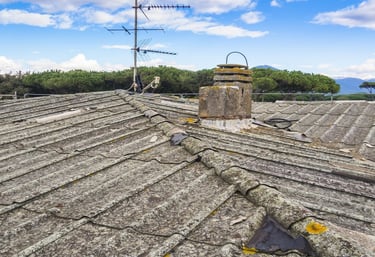
A home insurance company may hesitate to renew your policy if your roof is decades old and looks worn out.
Age


Current damage
Insurers may deem roofs that are already cracked or missing shingles as high-risk or not insurable.


Stay on top of roof repairs to keep it in working order (and keep your policy active). Routine maintenance, like cleaning your gutters, is also important.
Poor Maintenance


By following these guidelines, Goad Construction ensures property owners are well-prepared to navigate the complexities of property insurance and maintain their coverage effectively. Remember, staying informed and proactive is key to protecting your property investment.
Corporate Office
393 Cummings Rd
Caledonia, IL 61011
© 2026 Goad Construction, LLC . All Rights Reserved


